In previous articles, we have identified the varying types of medical waste produced in dental offices and some ways of lowering the costs for the disposal of that waste. This article will address hazardous waste, hazardous waste disposal specifications, and the regulations surrounding hazardous waste generators. Hazardous Waste Defined Hazardous waste is defined as waste with “properties that make it dangerous, or capable of ...


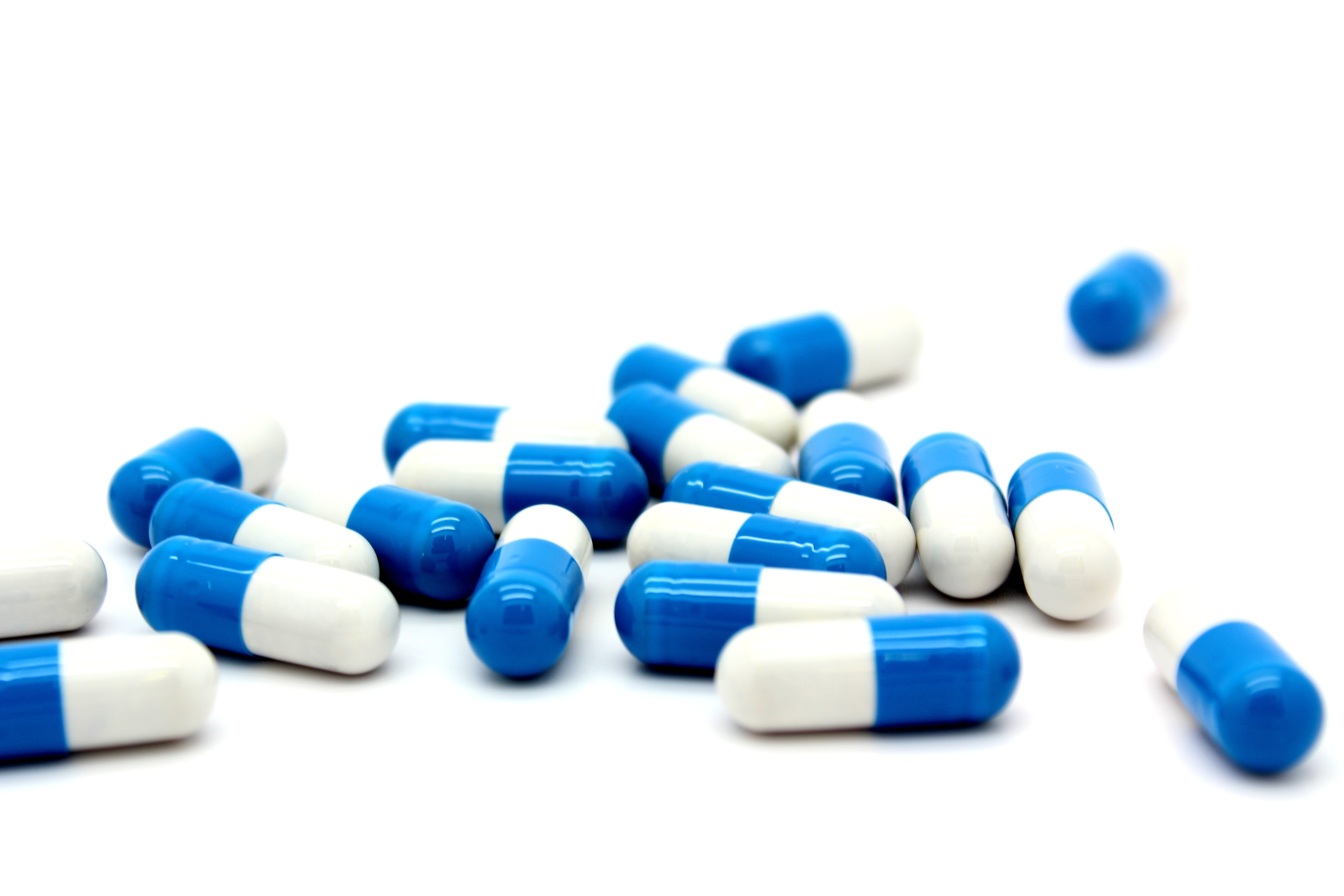
National Take Back Day On October 27th of this year, the federal Drug Enforcement Administration (DEA) conducted its 16th National Take Back Day for prescription drugs. In cooperation with local law enforcement agencies across the nation, 914,236 lbs. (457.12 tons) of expired and unused prescription drugs were collected and properly disposed. This brings the total amount of prescription drug waste collected with this program ...
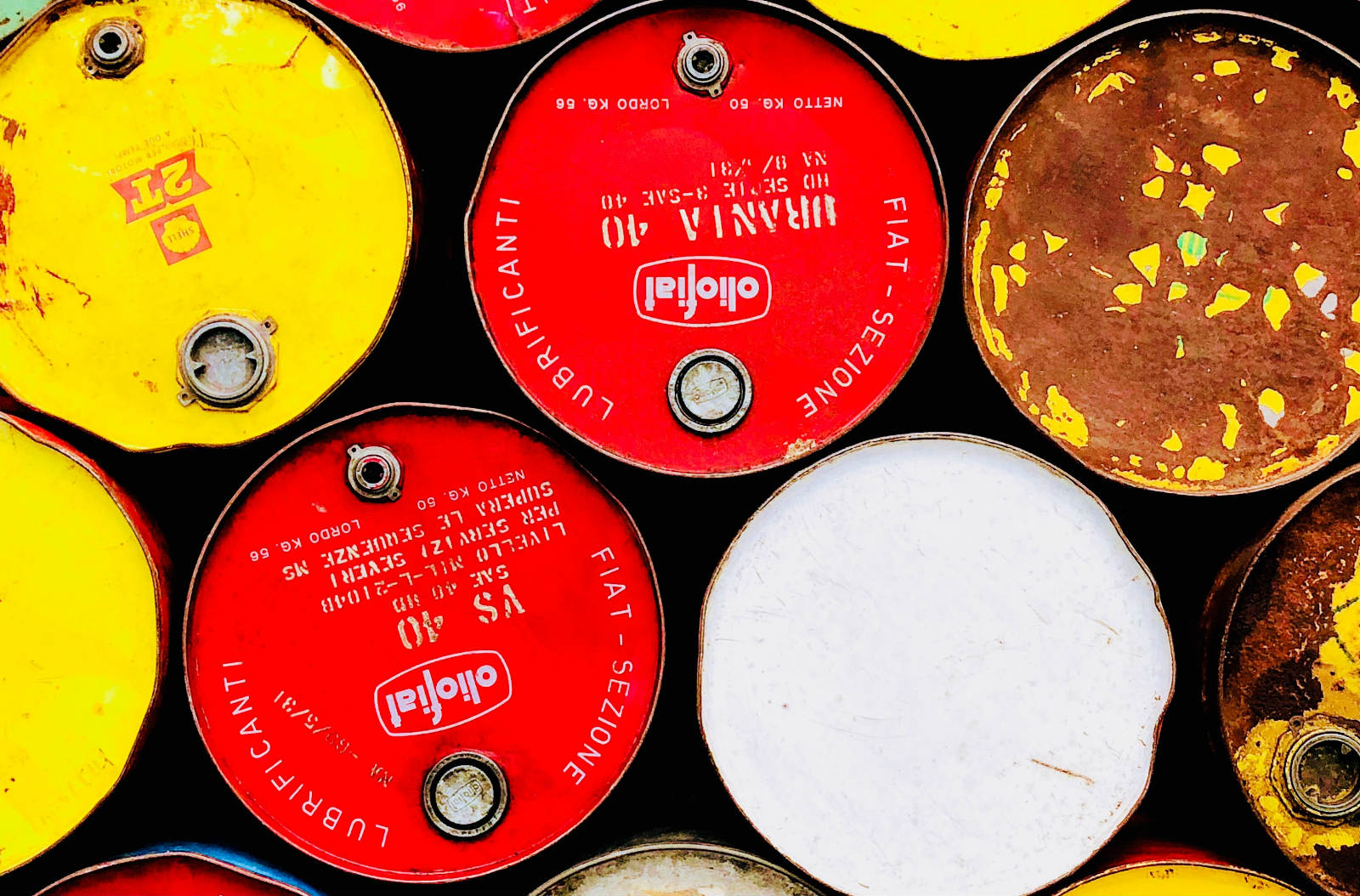
In previous articles we have identified the different types of medical waste produced in dental offices and some ways of lowering the costs for the disposal of that waste. This article will address hazardous waste specifically, and the regulations surrounding its disposal. Hazardous waste can be found in any physical state; liquid, gaseous, or solid. The type of disposal depends entirely upon the physical state the waste is ...
Shop For Disposal Options Medical waste is generated daily by thousands of facilities across the United States. The World Health Organization (WHO) states that, “Of the total amount of waste generated by health-care activities, about 85% is general, non-hazardous waste comparable to domestic waste. The remaining 15% is considered hazardous material that may be infectious, chemical or radioactive.” (1) Regardless of label, all ...
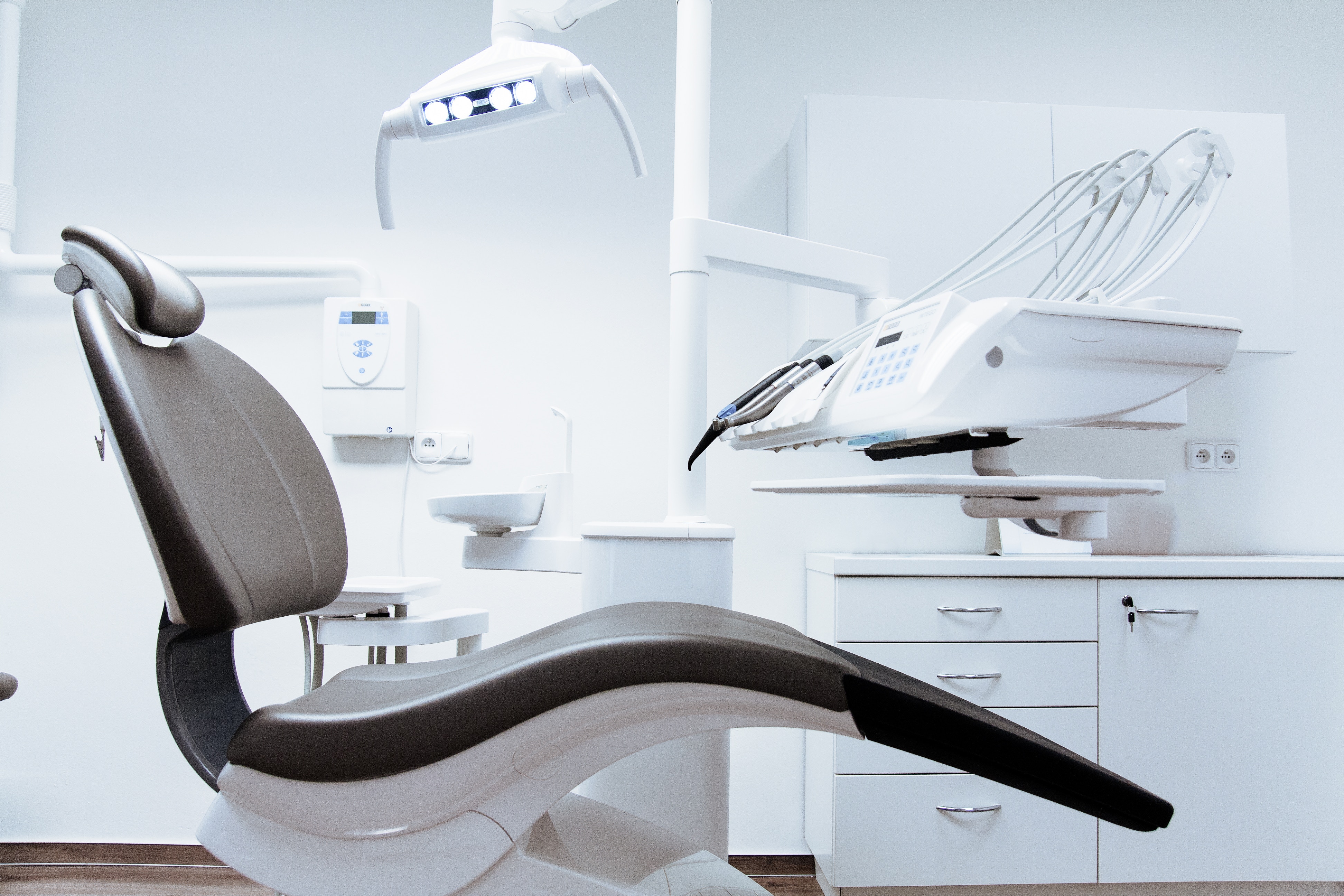
There are four main categories of medical waste in a dental office: sharps, infectious, hazardous, and non-hazardous. Learn about each here. As a waste management and compliance company we often get asked by dentists “What are the different types of waste I am required to dispose of and show documentation for?” There are four main types of dental waste, and each comes with its own standard for proper disposal. In this post we ...
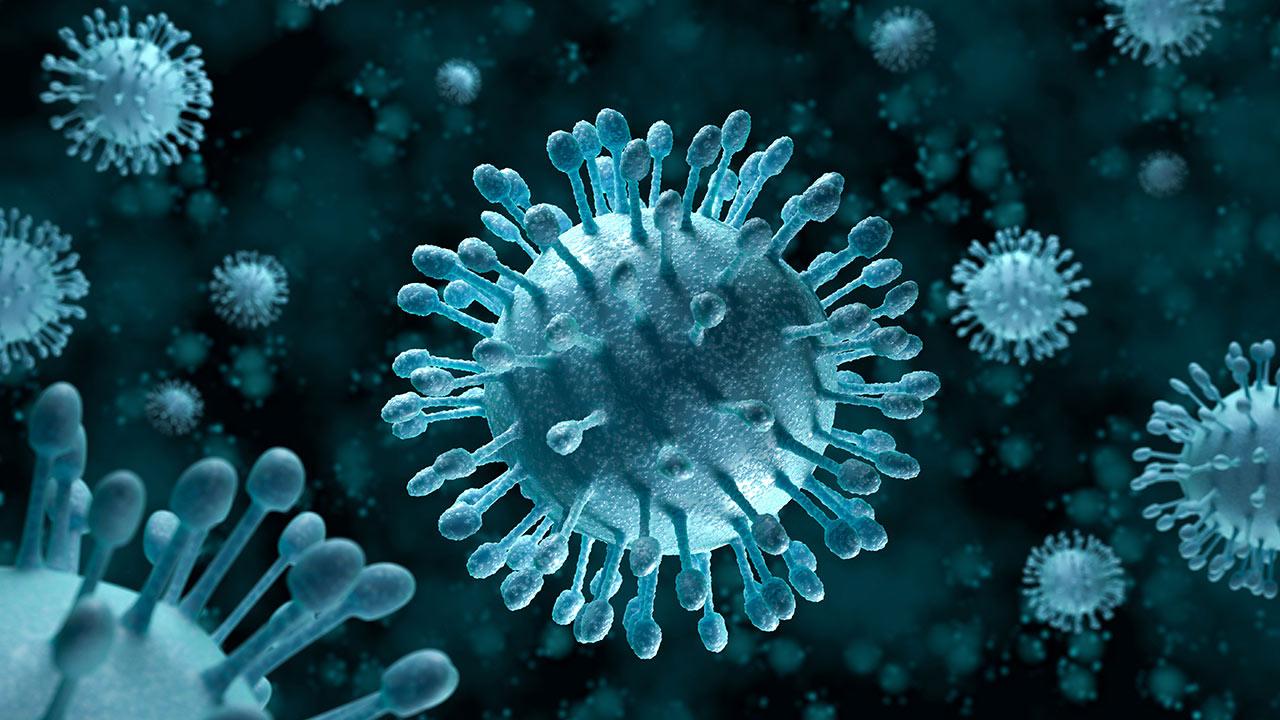
Wanaque Center For Nursing & Rehabilitation (Google Maps) In light of the recent viral outbreak at the Wanaque Center for Nursing and Rehabilitation in Haskell, New Jersey, proper infection control practices are once more being brought to the forefront of media attention. As of this post, the lives of seven children in the facility have already been claimed by this outbreak, forcing the center to shut its doors to any new ...

PureWay has started working with many different end users that include patients who self-inject at home, healthcare facilities, nursing facilities and more. It is very important to make sure that sharps are properly secured in a OSHA approved sharps container to avoid needle sticks. For many individuals, interaction with sharps is an everyday occurrence. Sharps are classified as any device or object used to puncture or ...
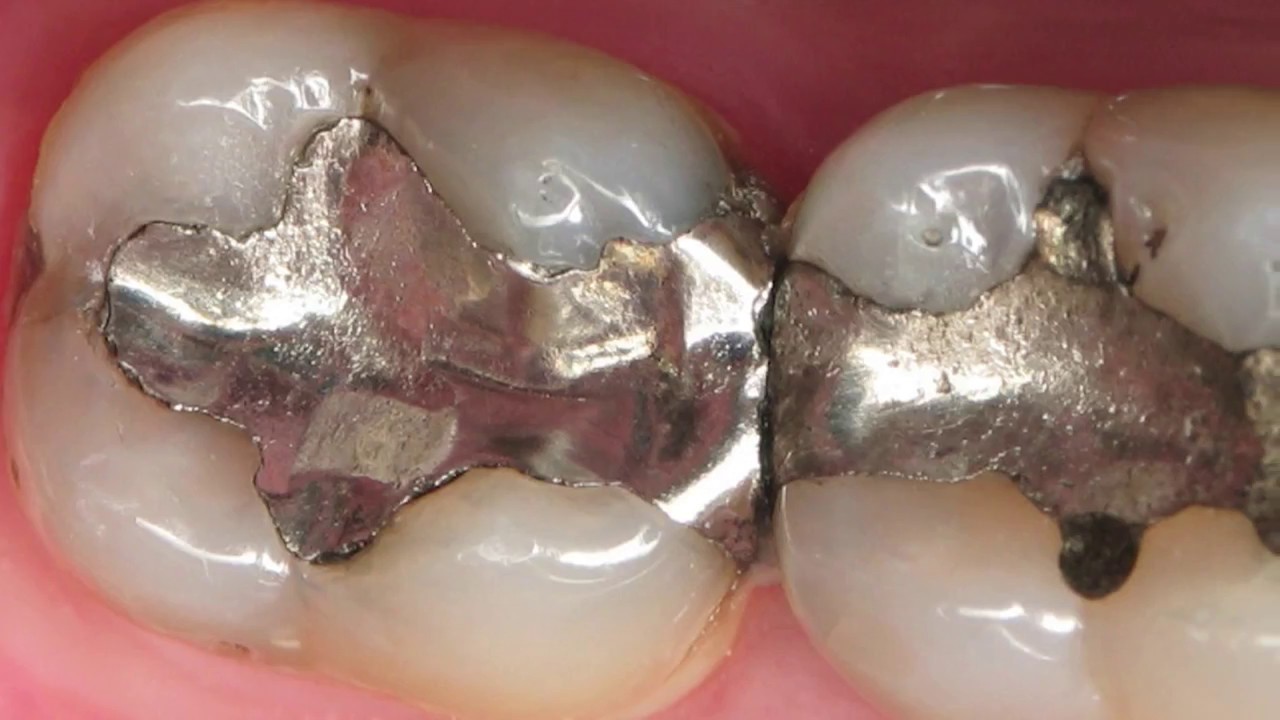
For over a century, when encountering tooth decay, dentists have turned to amalgam putty as a solution. Dental amalgam is considered a safe and effective method for providing relief to the patient and preserving healthy tooth structure. However, since amalgam does contain a high percentage of elemental mercury, there are stringent regulations in place concerning its formation, use, and disposal. In this post we are going to ...
For over 150 years and for millions of patients, dentists have been using dental amalgam to fill cavities in teeth. What is dental amalgam? The FDA defines it as: “A mixture of metals, consisting of liquid (elemental) mercury and a powdered alloy composed of silver, tin, and copper. Approximately 50% of dental amalgam is elemental mercury by weight. The chemical properties of elemental mercury allow it to react with and bind ...
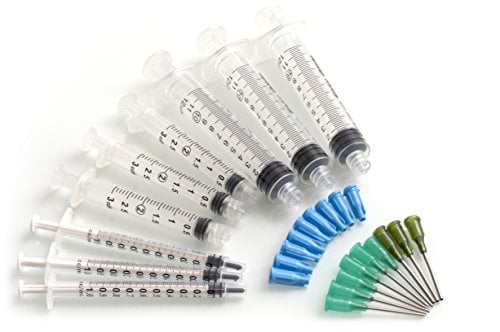
Sharps Safety 101 Although most associate the term “sharps” with needles and syringes, any medical device that is sharp and can cut or puncture skin falls under this umbrella and needs to be disposed of as such. Along with needles and syringes, lancets (also called a “finger stick”, commonly used for diabetes treatment), infusion sticks, auto injectors and connection needles classify as “sharps”. In 2011, the Coalition for ...